2026-10-22 ·
Signs of Damp After Spray Foam Installation in Somerset
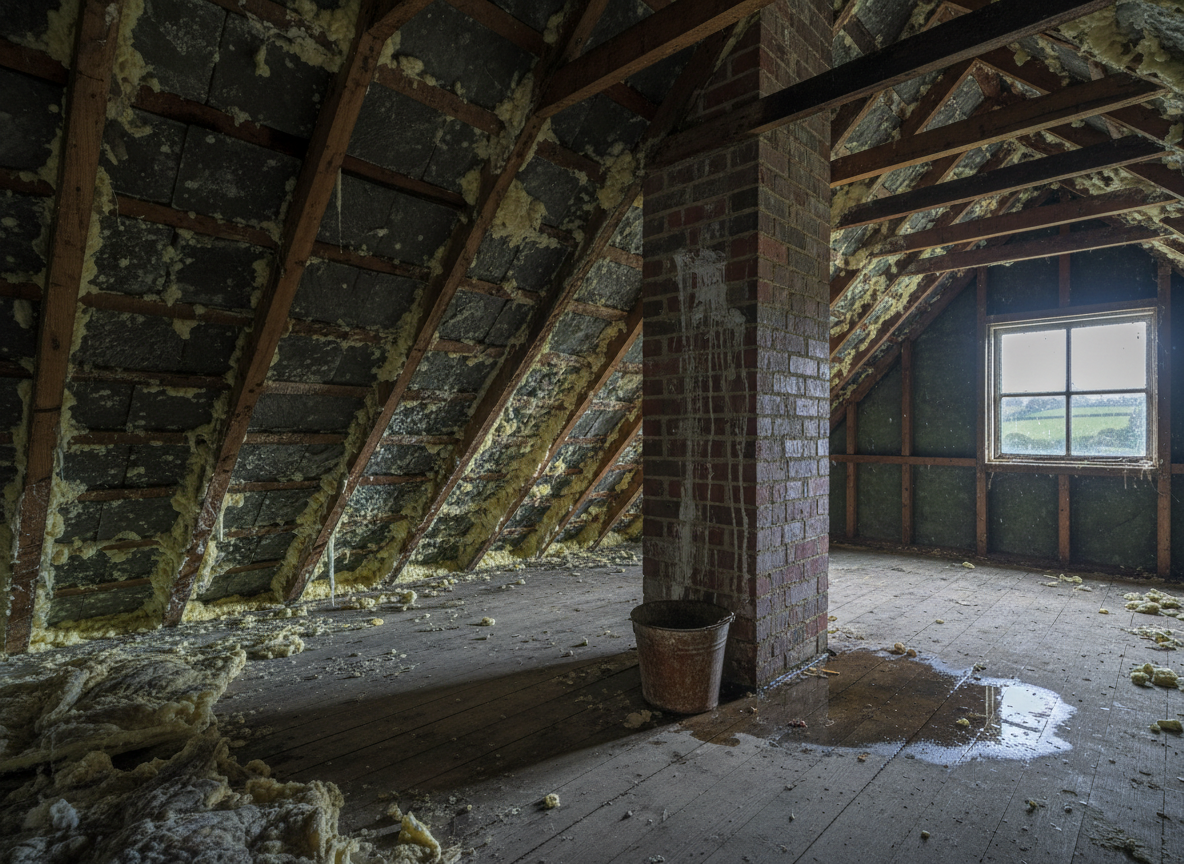
Damp signs after spray foam installation in Somerset usually show up between 6 and 18 months later in Bath properties because closed cell foam traps water against stone and timber frames that were never designed to stay sealed. Older Georgian and Victorian houses in areas such as Circus Mews and the surrounding valleys hold moisture in their thick walls once airflow is cut off, leading to visible staining and musty odours that spread through ceilings and party walls.
Early Visual and Sensory Clues
Peeling paint or wallpaper along the top of external walls often appears first in Bath stone houses because rain drives through the porous masonry and has nowhere to escape once foam blocks the inner surface. Dark patches on loft ceilings or around chimney breasts develop next, especially after prolonged winter rain when water sits against the foam and migrates downward. A persistent earthy smell in bedrooms or hallways signals mould growth behind the insulation, and homeowners notice it strongest on humid days when the building cannot dry out naturally.
Timber joists in the roof space begin to darken and soften within two winters because Somerset's frequent drizzle keeps rafters damp for weeks at a time. Homeowners who press a screwdriver into the wood find it sinks easily where foam was sprayed directly onto the underside of the roof. These changes stay hidden until the ceiling plaster cracks or small flakes fall during high winds common along the Avon valley.
Impact on Bath's Historic Housing Stock
Many properties around the city centre and nearby villages such as Batheaston feature solid stone walls with no cavity, so spray foam applied to the inner face stops the wall from breathing and pushes moisture sideways into timber lintels and floorboards. Listed buildings in particular suffer because the foam bonds permanently to original plaster and stone, making later removal more disruptive than in modern cavity walls. Spray foam removal and listed building rules in Bath explains the extra steps required to avoid damaging protected features during extraction.
Condensation forms on single-glazed sash windows throughout the winter because the foam raises internal humidity while the cold external stone stays unchanged. This cycle repeats every year and accelerates rot in window frames and skirting boards that sit against the affected walls.
How Somerset Weather Drives the Problem
The region's mild but very wet climate delivers 40 to 50 inches of rain annually, with long spells of drizzle that keep roof voids and external walls saturated. Once foam seals the loft, any water that enters through slipped tiles or failed leadwork stays trapped for months instead of evaporating during drier spells. Best time of year for spray foam removal in Bath shows why spring and early summer work better for drying out properties after the foam comes out.
Ground water levels rise quickly in the clay soils around Midsomer Norton and Radstock, pushing damp up through solid floors in older terraces. Foam on the underside of the ground floor then prevents any drying from the room side, leaving a permanent musty layer that only full removal and ventilation restore.
Practical Next Steps for Homeowners
An insulation assessment identifies exactly where moisture is trapped and whether the foam needs full extraction or targeted removal around problem areas. Spray foam insulation removal teams working from Compass Court in Bath can reach properties across the city and nearby towns within the same day when water damage is active. Checking cost guide for spray foam removal Bath helps owners plan the work without unexpected structural repairs later.